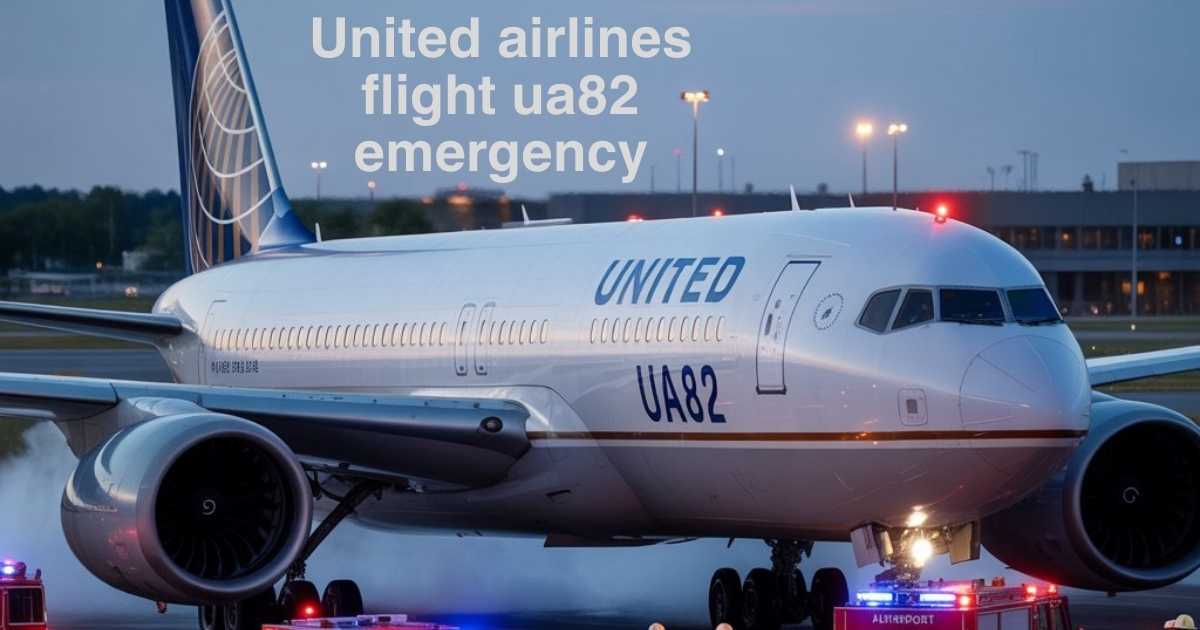
United Airlines Flight UA82 Emergency: An In-Depth Exploration of Aviation Safety
Aviation safety is a top priority for both passengers and airlines. While rare, in-flight emergencies highlight the complex systems, procedures, and technology that keep air travel one of the safest modes of transportation. United Airlines Flight UA82, a regular long-haul flight from Newark Liberty International Airport (EWR) to San Francisco International Airport (SFO), became the center of attention due to an unexpected hydraulic system failure shortly after takeoff. This incident serves as an important case study in aviation safety, showcasing how United Airlines’ preparedness, cutting-edge technology, and rigorous training helped manage the emergency effectively.
This article aims to provide a detailed overview of the emergency event, break down the factors contributing to such failures, and explain the role of aviation technology and protocols in preventing accidents.
United Airlines Flight UA82: Flight Overview
United Airlines Flight UA82 connects Newark (EWR) with San Francisco (SFO), both major hubs in the airline’s domestic and international network. Operating on a daily basis, this flight carries a significant number of passengers. However, on one particular flight, things took an unexpected turn when the aircraft encountered a hydraulic system failure, prompting an emergency landing at Philadelphia International Airport (PHL). Despite the rare nature of such incidents, the situation was handled with utmost professionalism and preparedness, ensuring the safety of all passengers and crew.
The Emergency Incident on United Airlines Flight UA82
A few hours into its flight, Flight UA82 encountered a critical mechanical issue — the hydraulic system malfunctioned, affecting essential functions of the aircraft, including braking, steering, and the operation of landing gear. The hydraulic system is vital for the smooth operation of the aircraft’s control surfaces, and any failure can significantly compromise safety.
Key Timeline of the Emergency:
| Time | Action Taken |
|---|---|
| 10:30 AM ET | Hydraulic Failure Detected: The flight crew identifies a malfunction in the hydraulic system and initiates an emergency protocol. |
| 10:35 AM ET | Decision to Divert: The aircraft is diverted to Philadelphia International Airport (PHL) for an emergency landing. |
| 10:40 AM ET | Passenger Notification: Flight attendants begin informing passengers and preparing them for possible emergency procedures. |
| 10:50 AM ET | Emergency Landing: The aircraft successfully lands at PHL, with emergency medical teams and ground services standing by. |
| 11:10 AM ET | Post-Landing Support: United Airlines provides rebooking options, medical support, and passenger counseling. |
The Role of the Hydraulic System in Aviation
The hydraulic system in modern aircraft is crucial for controlling many essential components. These include flight controls (like ailerons, elevators, and rudders), landing gear, brakes, and flaps. When one or more of these systems fail, it can severely impair the aircraft’s ability to function properly. Here’s a look at why a hydraulic failure occurred in Flight UA82 and how such issues are addressed:
Common Causes of Hydraulic System Failures:
- Component Fatigue and Wear: Continuous use of hydraulic components, such as pumps, valves, and hoses, can lead to deterioration over time, causing them to fail.
- Loss of Fluid Pressure: Hydraulic systems rely on pressurized fluid to function. Any leak or rupture in the hydraulic line can cause a significant loss of pressure, rendering the system inoperative.
- Contamination of Hydraulic Fluid: Impurities in the hydraulic fluid, such as water, debris, or air, can impede the system’s efficiency, leading to malfunction.
- Design or Manufacturing Defects: While rare, defects in hydraulic system components from the factory or design flaws can lead to failure during the aircraft’s operational life.
In the case of Flight UA82, the malfunction was identified early by the aircraft’s diagnostic systems, which gave the crew sufficient time to respond. Thankfully, the aircraft was equipped with redundant hydraulic systems, which ensured that the failure did not compromise its ability to continue operating safely.
United Airlines’ Response: Safety Protocols and Crew Preparedness
United Airlines’ quick and coordinated response during the emergency reflected the airline’s rigorous safety protocols and emergency training. In such incidents, a well-prepared crew, clear communication, and effective use of technology are critical.
1. Crew Training and Expertise
United Airlines has an industry-leading training program that equips its flight crews with the skills to manage a wide range of emergency scenarios. Flight crews are trained to assess risks, make decisions under pressure, and communicate effectively with both passengers and air traffic control. During the UA82 emergency, the crew’s prompt action to declare an emergency, divert the aircraft, and keep passengers informed ensured a smooth handling of the situation.
2. Passenger Communication
During an emergency, clear and transparent communication is vital to maintaining passenger safety and minimizing panic. The flight attendants on Flight UA82 demonstrated professionalism by providing timely updates about the situation, preparing passengers for a potential emergency landing, and ensuring their cooperation.
3. Aircraft Maintenance and Monitoring
United Airlines employs state-of-the-art monitoring technology that constantly checks the aircraft’s health during flight. These systems provide real-time diagnostics and immediately alert pilots to any issues. Routine maintenance checks further ensure that the aircraft is in optimal condition before each flight. In the case of Flight UA82, the hydraulic failure was detected early, which allowed the crew to initiate emergency procedures without delay.
4. Diversion to the Nearest Suitable Airport
As part of United Airlines’ emergency protocol, when an issue arises, the crew assesses the situation and decides whether to continue to the destination or divert to a nearby airport. The decision to land at Philadelphia International Airport (PHL) was made to ensure the aircraft’s safety while also considering nearby medical and emergency resources available.
The Role of Technology in Aviation Safety
Aviation technology has dramatically advanced over the years, ensuring that aircraft are safer, more reliable, and capable of handling emergency situations effectively. Flight UA82 was equipped with several key technologies that played a vital role in managing the emergency:
- Redundant Systems: Aircraft like the Boeing 777-200 are built with multiple backup systems, including hydraulic systems, flight controls, and electrical systems. This ensures that even if one system fails, others can take over.
- Advanced Avionics: Modern avionics systems provide real-time data on the aircraft’s condition, including the health of its hydraulic system. This allows pilots to make well-informed decisions, even when faced with mechanical issues.
- Flight Data Monitoring: The aircraft is equipped with flight data recorders that capture detailed information about its performance, allowing technicians to diagnose issues and take preventive actions in the future.
- Autonomous Systems: In case of a serious emergency, many modern aircraft can be remotely monitored and controlled by ground crews through autonomous systems, providing extra layers of safety.
Why Redundant Systems Are Crucial in Modern Aviation
A key takeaway from the UA82 emergency is the importance of redundant systems in modern aircraft. These systems ensure that if one function or system fails, others can take over seamlessly. For example:
- Hydraulic redundancy: The aircraft typically has three independent hydraulic systems, each responsible for different functions. If one fails, the other two are there to back it up.
- Power redundancy: The aircraft’s auxiliary power unit (APU) and backup generators ensure that essential systems, such as lighting and navigation, continue functioning during emergencies.
- Engine redundancy: In the event of engine failure, aircraft engines are designed with two engines, providing the necessary power to safely land the aircraft.
Key Insights and Analysis from United Airlines Flight UA82 Emergency
| Topic | Key Insights |
|---|---|
| Aircraft Type | The Boeing 777-200 is designed with robust redundant systems and advanced diagnostic tools, minimizing the risk of failure. |
| Emergency Cause | The failure of the hydraulic system was identified early and managed with backup systems, ensuring the flight’s safety. |
| Crew Response | The crew’s rapid response, clear communication, and decision-making led to a safe emergency landing. |
| Passenger Communication | Timely and clear updates from the crew kept passengers calm and informed during the crisis. |
| Post-Landing Support | United Airlines provided medical assistance, rebooking options, and emotional support to passengers post-incident. |
Conclusion: The Importance of Safety Protocols, Technology, and Preparedness
The United Airlines Flight UA82 emergency highlights the importance of safety systems, crew training, and advanced technology in managing in-flight incidents. While hydraulic system failures are rare, modern aircraft are equipped to handle such malfunctions safely. This incident also serves as a reminder of the immense responsibility placed on airlines, pilots, and crews to ensure that every flight remains as safe as possible, even in the face of unexpected challenges.
Frequently Asked Questions (FAQs)
When a hydraulic system fails, the aircraft relies on backup systems to maintain control. Modern aircraft like the Boeing 777 are designed with redundant hydraulic systems to prevent complete failure.
United Airlines provides comprehensive training that simulates real-life emergencies, ensuring flight crews can respond efficiently to any situation.
Flight UA82 was diverted to Philadelphia International Airport (PHL) because it was the nearest suitable airport for an emergency landing.
Avionics systems, real-time diagnostics, and flight data monitoring provide pilots with essential information that helps them make informed decisions during emergencies.
United Airlines offers medical assistance, rebooking options, and emotional support to passengers to ensure their well-being after an emergency.