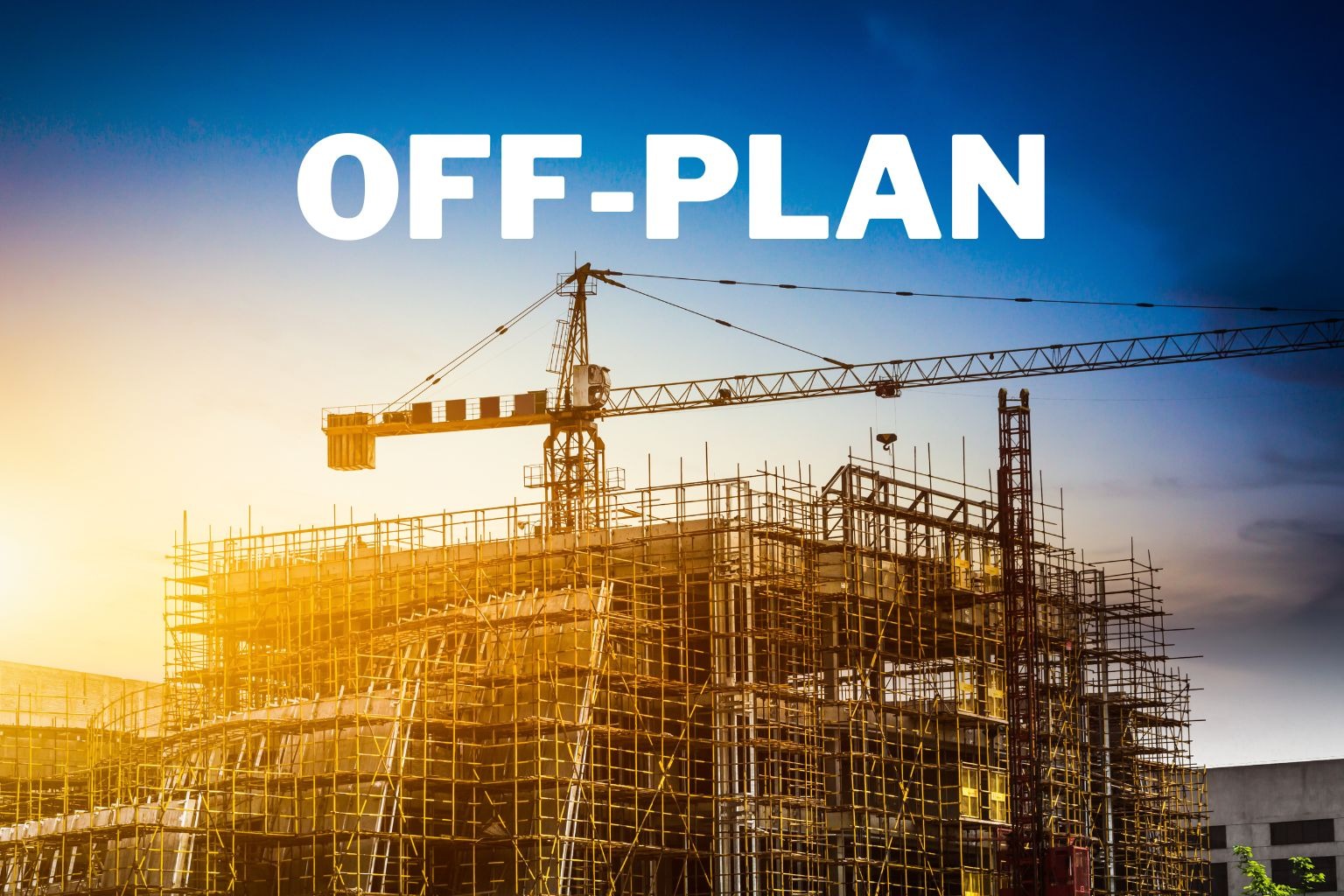
How to Navigate Buying Offplan Properties in Dubai with Confidence
Introduction
Buying offplan properties in Dubai offers a unique opportunity for investors and homebuyers to enter a dynamic and rapidly growing real estate market. However, navigating this process with confidence requires thorough preparation and an informed approach. This checklist-style case study is designed to guide buyers through the essential steps before, during, and after purchasing offplan properties in Dubai. It also highlights key indicators to watch for, ensuring that buyers make decisions grounded in due diligence and market insight.
Pre-Decision Checklist
Before committing to an offplan property investment in Dubai, it is crucial to conduct comprehensive groundwork. This stage sets the foundation for a secure and profitable purchase.
- Understand the Market Context: Review recent Dubai property market trends focusing on new developments and offplan apartment sales. This helps gauge demand, pricing strategies, and future growth potential.
- Define Investment Goals: Clarify your objectives—whether seeking capital appreciation, rental yield, or a primary residence—to align your choice with long-term plans.
- Research Developers: Investigate the reputation, track record, and financial standing of real estate developers in Dubai. Established developers typically offer greater reliability in terms of project completion and quality.
- Review Legal Framework: Familiarise yourself with Dubai’s regulations governing property pre-construction sales, including escrow account requirements and buyer protection laws.
- Budget Assessment: Account for down payments, ongoing instalments, service charges, and potential additional costs such as registration fees and maintenance charges.
- Explore Financing Options: Consult with banks and mortgage providers to understand eligibility criteria and financing terms available for offplan properties in Dubai.
Evaluation Checklist
Once a shortlist of potential offplan properties is identified, a detailed evaluation is essential to ensure alignment with your investment criteria and to mitigate risks.
- Project Location Analysis: Assess the location’s accessibility, infrastructure development, proximity to key amenities, and future urban plans. Locations with planned transport links or commercial hubs often offer better appreciation.
- Masterplan and Amenities: Examine the developer’s masterplan for the project, including the quality and availability of amenities such as parks, gyms, swimming pools, and community centers.
- Payment Plan and Timeline: Evaluate the payment schedule offered and the projected construction timeline. Flexible payment plans and realistic delivery dates reduce financial strain and uncertainty.
- Property Specifications: Review the unit layouts, sizes, finishes, and building materials to ensure they meet your quality expectations and market standards.
- Market Comparisons: Compare pricing and features with similar offplan and completed developments to assess value for money.
- Legal Documentation: Scrutinize the sales agreement and ensure that all terms, including cancellation policies and warranties, are clearly stated and compliant with Dubai’s property laws.
- Developer Communication: Engage with the developer and sales representatives to clarify doubts and gather insights on the project’s progress and any potential challenges.
Post-Decision Checklist
After purchasing an offplan property, ongoing attention is necessary to protect your investment and prepare for eventual possession or resale.
- Track Construction Progress: Regularly monitor updates from the developer, including site visits if possible, to verify adherence to construction schedules and quality standards.
- Maintain Financial Planning: Ensure timely payment of instalments to avoid penalties. Review your financial plan periodically to accommodate any changes in your circumstances.
- Stay Informed on Market Dynamics: Keep abreast of Dubai housing market analysis and evolving trends that could affect property value or rental demand.
- Plan for Handover: Prepare for the final handover by understanding the necessary documentation, service charges, and property registration procedures.
- Consider Property Management: If the property is an investment unit, evaluate property management services to handle tenant relations and maintenance.
- Evaluate Exit Strategies: Decide if you intend to hold the property long-term or sell after completion. Familiarity with resale market conditions can inform timing and pricing.
Red Flags vs Green Flags
Recognizing warning signs and positive indicators is critical when dealing with property pre-construction in Dubai.
- Red Flags:
- Developer with a history of delayed projects or legal disputes.
- Unclear or overly complex payment plans lacking transparency.
- Absence of escrow accounts protecting buyer funds.
- Insufficient or vague project documentation and floor plans.
- Unrealistic project completion timelines or lack of regular progress updates.
- Pressure tactics by sales agents encouraging rushed decisions.
- Green Flags:
- Developer with a strong portfolio of completed projects delivered on time.
- Transparent and flexible payment structures aligned with construction milestones.
- Use of escrow accounts regulated by Dubai Land Department.
- Comprehensive project information including detailed masterplans and specifications.
- Consistent communication and verified construction progress reports.
- Positive market sentiment supported by current Dubai property market trends.
Conclusion
Investing in offplan properties in Dubai can be rewarding when approached with a structured and informed methodology. Utilizing a detailed checklist throughout the buying journey from pre-decision research to post-purchase management—enhances buyer confidence and reduces risk. Awareness of red flags and green flags further empowers buyers to make sound decisions within the dynamic Dubai housing market. Ultimately, careful evaluation and ongoing vigilance are key to navigating the offplan property landscape successfully.
Disclaimer
This article is intended for informational and educational purposes only and does not constitute financial, legal, or real estate advice. While every effort has been made to ensure the accuracy and relevance of the information provided, real estate regulations, market conditions, and investment risks may change over time, particularly within the Dubai property market. Readers are advised to conduct their own independent research and seek guidance from qualified real estate professionals, legal advisors, or financial consultants before making any property investment decisions. The author and publisher assume no responsibility for any losses, damages, or decisions made based on the information contained in this article.