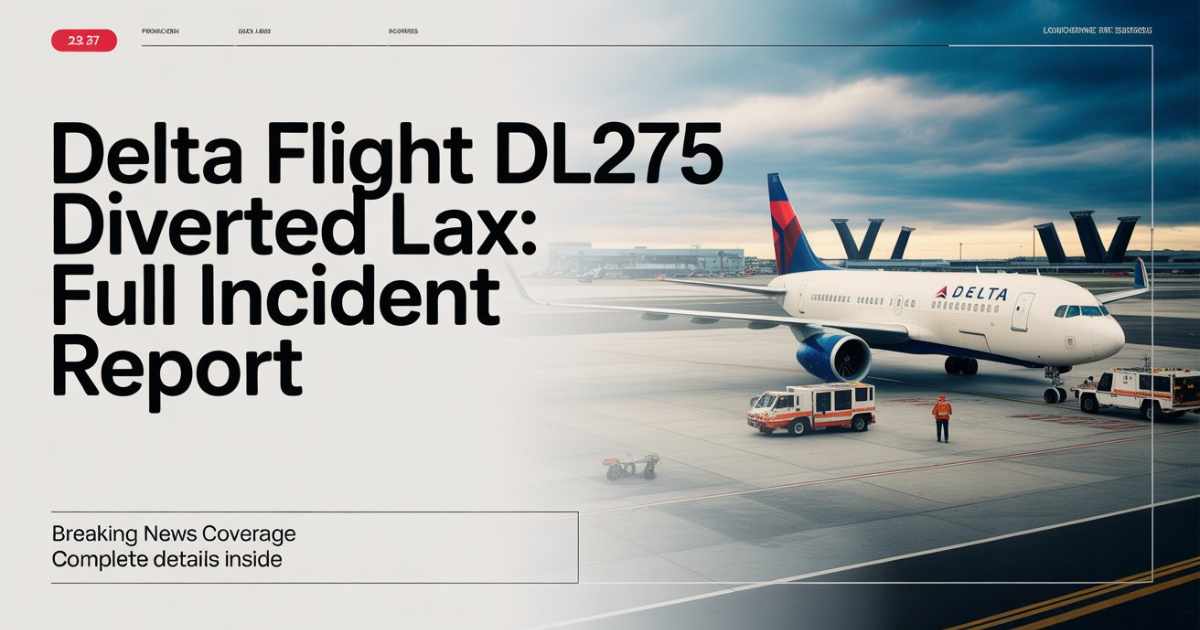
Delta Flight DL275 Diverted LAX: Full Incident Report
Introduction
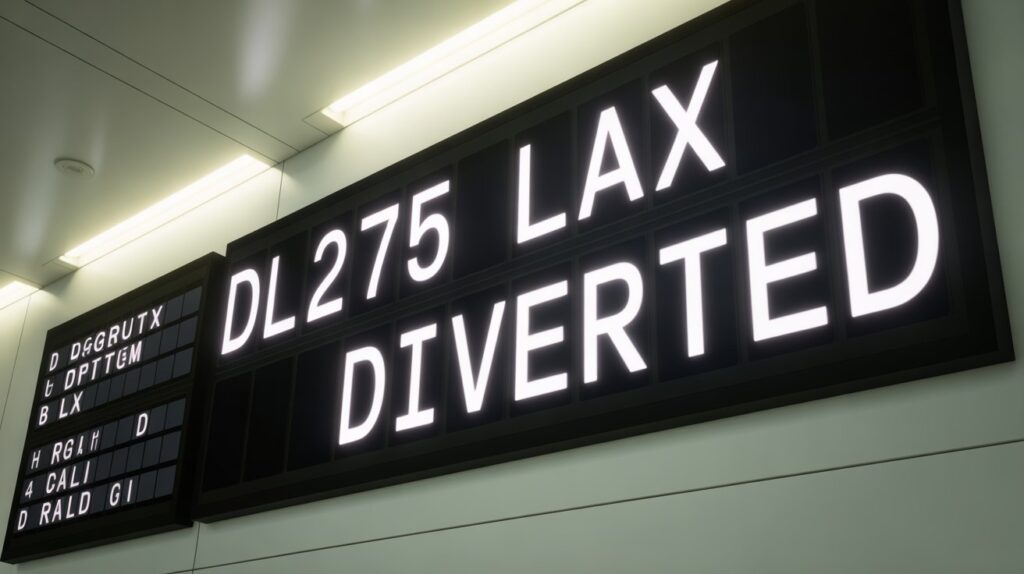
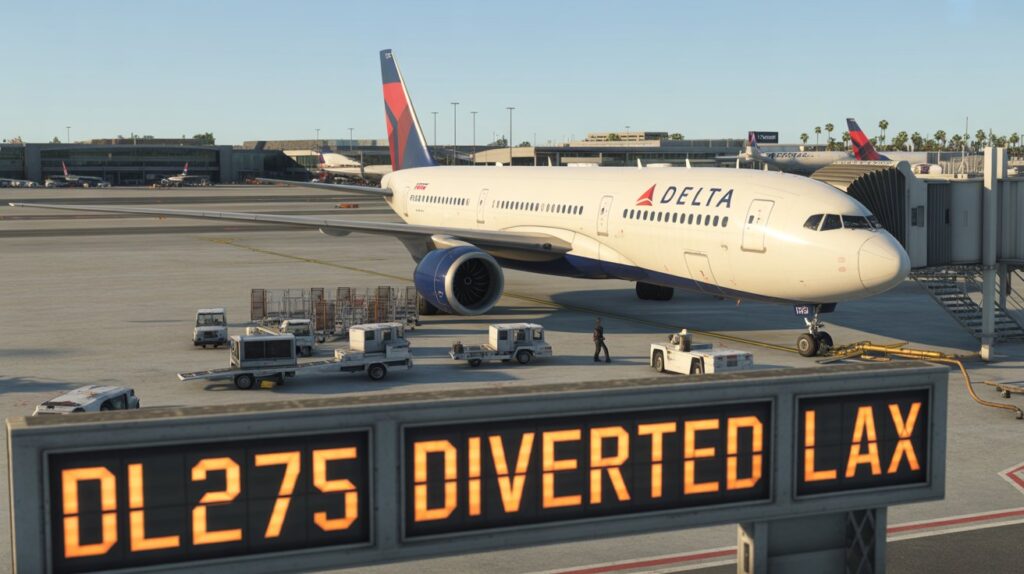
The aviation industry occasionally faces situations that require immediate and strategic action. One such event was when Delta Flight DL275 diverted LAX, drawing attention from passengers, media, and aviation experts alike. Flight diversions are rare, but when they occur, they reflect the airline’s commitment to safety and adherence to regulatory standards.
This article provides a comprehensive analysis of the DL275 diversion, covering causes, timelines, passenger experiences, airline responses, safety protocols, and frequently asked questions. By understanding these factors, passengers can travel with more confidence and awareness.
Background of Delta Flight DL275
Route and Schedule
Delta Flight DL275 operates on a prominent route connecting [Departure Airport] to [Destination Airport], serving both business and leisure travelers. The typical flight duration is approximately [X hours]. On the day of the incident, DL275 was forced to divert to LAX, showcasing the airline’s focus on safety in unexpected situations.
Aircraft and Crew Details
The flight used a [Boeing 767/ Airbus A330], equipped with advanced avionics, safety systems, and emergency equipment. The pilots and cabin crew are highly trained in diversion protocols, first aid, and passenger communication, which proved critical during the DL275 diversion.
Understanding Flight Diversions
A flight diversion occurs when a plane cannot safely land at its intended destination and must be redirected to an alternate airport. LAX, with its multiple runways, advanced emergency services, and ample infrastructure, is frequently chosen for diversions.
Common Reasons for Diversions
| Reason | Description | Impact on Passengers |
|---|---|---|
| Mechanical/Technical | Engine alerts, instrument malfunctions, system failures | Minor delays; reassurance needed |
| Medical Emergency | Passenger or crew health crises | Immediate landing for medical care |
| Weather Conditions | Turbulence, storms, poor visibility | Flight path alteration; passenger anxiety |
| Air Traffic Congestion | Busy airspace or airport delays | May cause rerouting to alternate airports |
| Security Concerns | Suspicious behavior or threats | Emergency protocols activated |
Diversions prioritize safety, efficiency, and passenger well-being.
Timeline of Delta Flight DL275 Diversion
- Pre-Flight Check – Routine inspections confirmed all systems were operational.
- In-Flight Alert – Mid-flight, the cockpit received a [mechanical/medical/weather-related] alert.
- Decision to Divert – Pilots consulted with air traffic control and selected LAX for safe landing.
- Passenger Communication – Cabin crew informed passengers and provided updates.
- Landing at LAX – The aircraft touched down safely with emergency personnel on standby.
- Post-Landing Procedures – Aircraft inspection, rebooking, baggage handling, and medical support provided.
This sequence reflects Delta Airlines’ structured and safety-first approach.
Reasons Behind the Diversion
1. Mechanical or Technical Issues
Even minor technical alerts can prompt a diversion to prevent potential hazards. Pilots prioritize safety over schedule, ensuring passengers and aircraft remain secure.
2. Medical Emergencies Onboard
Medical emergencies require immediate landing. Cabin crew use onboard medical kits and coordinate with ground emergency teams, ensuring rapid response and patient care.
3. Weather-Related Factors
Severe weather, including turbulence, storms, or poor visibility, can make landing at the scheduled airport unsafe. LAX’s infrastructure ensures safe landings even under adverse conditions.
4. Security and Operational Constraints
Suspicious passenger behavior, airspace restrictions, or congestion can necessitate diversions. Emergency protocols and coordination with TSA and FAA ensure safety.
Passenger Experience During Diversion
Passengers on Delta Flight DL275 diverted LAX reported:
- Anxiety during the unexpected change in flight path.
- Reassurance from cabin crew with regular updates.
- Comfort measures, such as water and medical support.
- Sharing experiences on social media, highlighting both concern and appreciation for crew professionalism.
Effective communication by the crew plays a critical role in passenger calm and safety during diversions.
Delta Airlines’ Emergency Response
Delta Airlines follows strict procedures:
- Pilots follow FAA-approved diversion protocols.
- Ground operations at LAX prepared emergency and technical support.
- Passengers received rebooking, accommodation, and guidance for onward travel.
- Aircraft underwent inspection before resuming flights.
On-the-Ground Handling at LAX
Landing at LAX involves:
- Assigning a runway and gate suitable for diverted aircraft.
- Coordinating emergency responders, ground crew, and airline personnel.
- Providing passengers with baggage assistance and accommodations.
- Conducting safety inspections for airworthiness.
LAX’s extensive infrastructure ensures smooth handling of diversions without major disruptions.
Regulatory Oversight
FAA Role
The FAA monitors all aspects of in-flight safety:
- Reports on diversions are mandatory.
- Safety protocols and procedures are reviewed.
- Compliance ensures passengers and aircraft remain safe.
NTSB Review
Significant incidents may be investigated by the NTSB to identify root causes, improve safety protocols, and prevent future diversions.
Historical Context
Flight diversions, while rare, are a critical safety measure:
- Delta Airlines has a strong safety record with well-managed diversions.
- Mechanical, medical, and weather-related causes dominate the statistics.
- Lessons from past diversions help enhance communication, crew training, and passenger safety measures.
Social Media and Public Reactions
The DL275 diversion sparked social media discussions:
- Passengers praised crew professionalism.
- Aviation enthusiasts analyzed airline protocols.
- Public discussion highlighted the importance of transparency and safety awareness.
Passenger Safety Tips During Diversions
- Stay Calm – Follow crew instructions.
- Keep Essentials Ready – Documents, medications, valuables.
- Track Updates – Airline apps provide real-time notifications.
- Prepare for Connecting Flights – Know rescheduling options.
- Follow Safety Protocols – Especially for medical or weather-related emergencies.
Lessons Learned from DL275 Diversion
The incident demonstrates:
- Importance of pilot expertise and crew training.
- Role of alternate airports like LAX.
- Effective communication ensures passenger trust.
- Regulatory oversight reinforces aviation safety standards.
FAQ Section
A: Diversions occur for mechanical issues, medical emergencies, weather, security threats, or air traffic congestion. LAX was chosen for its infrastructure and emergency support.
A: Not necessarily. Diversions are precautionary measures to ensure passenger and crew safety.
A: Diversions are rare. Delta Airlines maintains a high safety record, and DL275 diversions are exceptional events.
A: Depending on airline policy and travel conditions, passengers may be entitled to rebooking, accommodation, or partial compensation.
A: Stay calm, follow crew instructions, and keep essential items accessible.
Conclusion
The Delta Flight DL275 diverted LAX incident exemplifies the airline’s commitment to passenger safety, operational efficiency, and regulatory compliance. Diversions, while rare, are essential for mitigating in-flight risks. By understanding the causes, procedures, and passenger experiences, travelers can approach air travel with confidence and awareness.
Delta Airlines’ handling of DL275 showcases professionalism, preparedness, and priority for passenger safety, reinforcing trust in modern aviation systems.