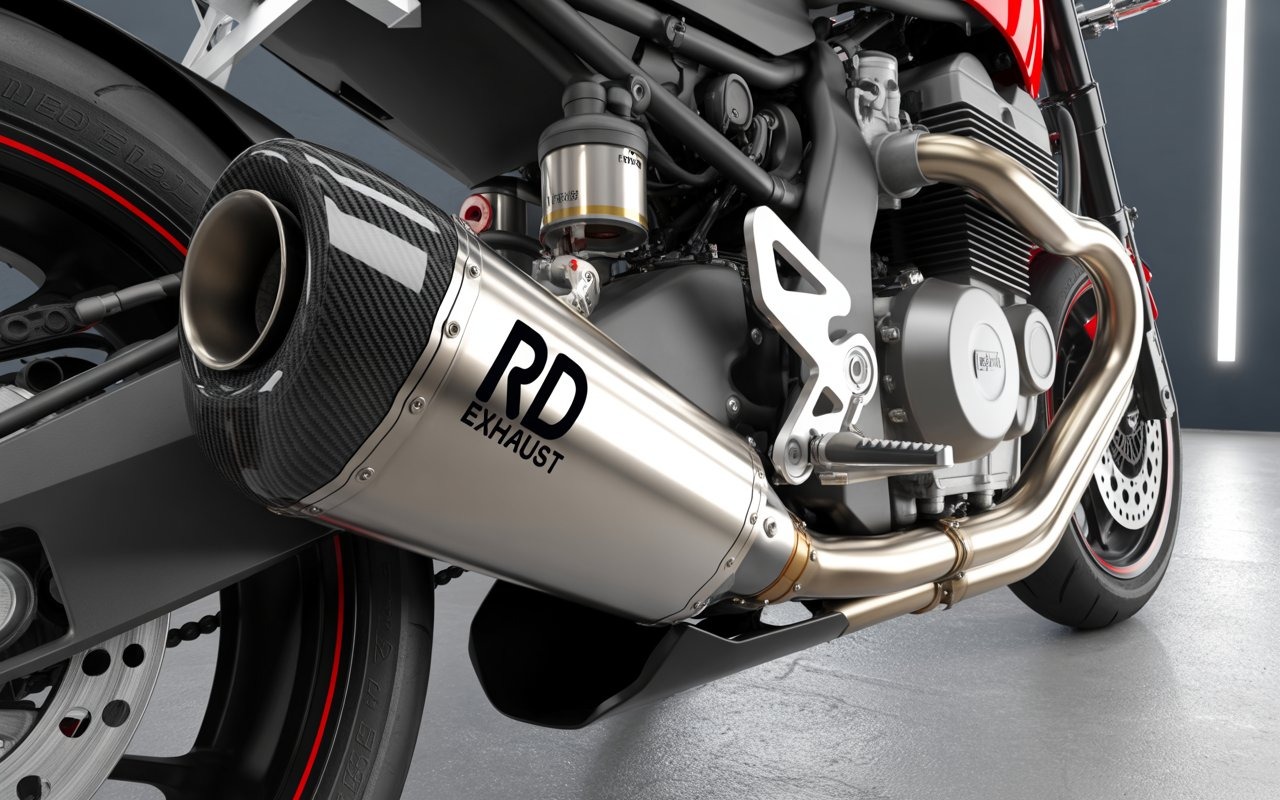
Escapamento RD: The Legendary Exhaust That Defined Yamaha’s Two-Stroke Era
The Yamaha RD series—comprising the RD 125, RD 135, RD 250, and the iconic RD 350—remains one of the most celebrated lines in motorcycling history. Released during the 1970s and 1980s, these two-stroke motorcycles captured the imagination of riders worldwide with their lightweight frames, blistering acceleration, and distinctive personalities. While much of their fame rests on their high-revving engines, a crucial component that defined their performance and character was the escapamento RD, or exhaust system.
More than just a metal pipe beneath the bike, the RD exhaust served as the heart, lungs, and voice of these machines. It not only dictated how the engine breathed but also shaped its power delivery, sound, and identity. The escapamento is a testament to Yamaha’s engineering brilliance, the thriving tuning culture it inspired, and its enduring place in motorcycling heritage.
Understanding Two-Stroke Engine Mechanics
To appreciate the escapamento RD, it is essential to understand the mechanics of a two-stroke engine. Unlike four-stroke engines, which complete a power cycle in four distinct piston movements, two-stroke engines deliver power with every single revolution of the crankshaft. This design allows for incredible acceleration and a high power-to-weight ratio, but also places unique demands on the exhaust system.
In a two-stroke engine, fresh fuel and air are continuously drawn into the combustion chamber while burnt gases are expelled almost simultaneously. The challenge lies in preventing the new fuel-air mixture from escaping prematurely while ensuring the combustion chamber is cleared of exhaust gases efficiently. The exhaust system, therefore, plays a critical role—not just as a channel for gases, but as a precision-engineered tool to optimize engine breathing.
The RD’s escapement was designed with this principle at its core. It allowed even small-displacement engines to produce remarkable torque and peak power, making the RD series exceptionally competitive, agile, and thrilling to ride.
The Design of Escapamento RD
Expansion Chambers
The most striking feature of the RD exhaust is the expansion chamber. These bulbous, oddly shaped sections are far from decorative—they exploit the physics of pressure waves to push unburned fuel-air mixture back into the combustion chamber. This “second chance” for combustion enhances power output, efficiency, and throttle response. The visual signature of these chambers, with their dramatic curves and bulges, is instantly recognizable and a hallmark of two-stroke engineering.
Headers
The header—the pipe connecting the engine to the expansion chamber—was carefully tuned to influence the power band. Longer headers tended to favor top-end speed, while shorter ones improved low- and mid-range torque. Yamaha varied the design between models, ensuring each RD had performance characteristics suited to its intended use.
Belly of the Chamber
The midsection, or “belly,” of the expansion chamber affects the mid-range power. A wider belly can enhance torque for urban riding, while a narrower or elongated design favors racetrack performance. This subtle tuning allowed riders to experience the perfect balance between city maneuverability and high-speed thrill.
Stinger/Tailpipe
The stinger, a narrow tailpipe section at the end of the exhaust, managed heat and prevented engine bogging. Its design ensured smooth gas flow, avoided backpressure issues, and maintained the engine’s peak performance.
Engineering Philosophy
The escapamento RD was not an afterthought; it represented a fusion of physics, material science, and rider-focused design. Every curve, diameter, and length was optimized to extract maximum performance, giving Yamaha two-strokes a distinct edge over competitors.
Sound Signature
No discussion of the RD exhaust is complete without mentioning its sound. The RD’s escapamento produced a high-pitched, raspy, and sharp note that was instantly recognizable. Unlike the deep, rolling rumble of four-stroke engines, the two-stroke bark of the RD was visceral, aggressive, and unforgettable.
This sound served both functional and cultural purposes. On the street or racetrack, an RD could be identified by ear long before it appeared. The exhaust’s voice became synonymous with speed, excitement, and youthful rebellion. It was more than noise; it was an integral part of the bike’s personality, reflecting its power, aggression, and two-stroke heritage.
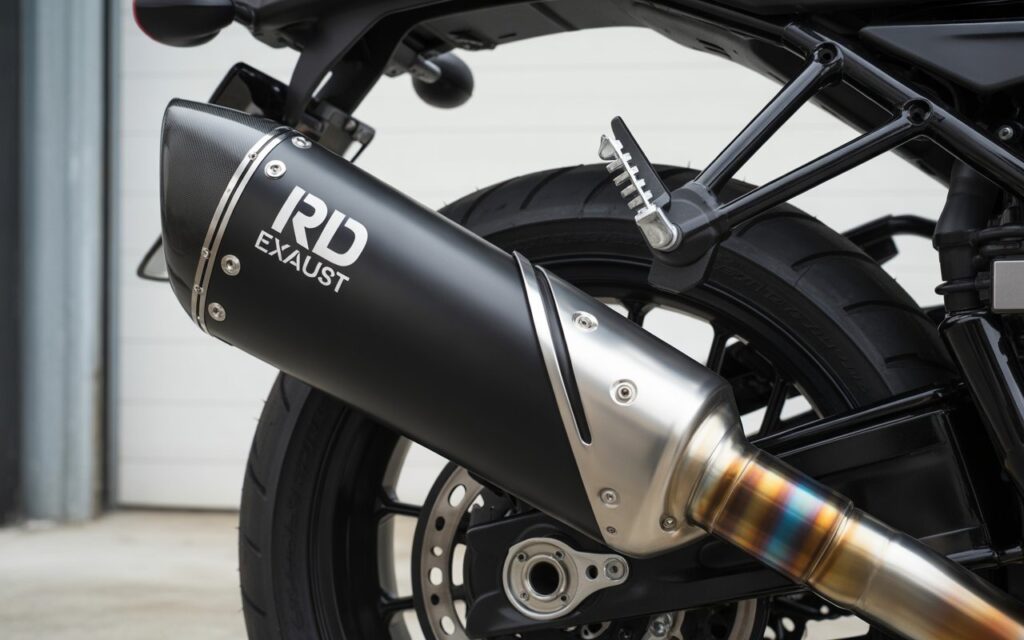
Escapamento RD Across Different Models
RD 125 & RD 135
The RD 125 and RD 135 were lightweight, nimble machines that introduced many riders to Yamaha’s two-stroke magic. Despite their smaller engines, their exhaust systems delivered surprising acceleration, allowing these bikes to outpace many larger four-strokes of the era.
The escapamento RD on these models also became a playground for aftermarket customization. Riders could modify or swap exhausts to enhance performance, change the sound, or experiment with different powerband characteristics. These smaller RDs were perfect for young enthusiasts seeking a combination of fun, responsiveness, and hands-on tuning experience.
RD 250
The RD 250 offered a balance between urban practicality and high-performance riding. Its exhaust design was optimized to deliver strong mid-range torque, making the bike both manageable in city traffic and thrilling on open roads. Riders appreciated the versatility, and the exhaust was often tuned to suit personal riding styles.
RD 350
The RD 350 earned the nickname “Giant Killer” due to its ability to outperform much larger motorcycles. Stock exhausts were already highly engineered, but tuners quickly realized that customizing the expansion chambers could dramatically alter performance.
- Top-End Speed Tuning: Some modifications allowed the RD 350 to rev higher and reach incredible peak speeds.
- Mid-Range Grunt: Other setups focused on torque for city riding or tight circuits.
- The RD 350’s escapement became the focal point of both racing and street tuning culture, often swapped or modified to suit specific needs.
Escapamento RD Pricing Overview
| Exhaust Type | Price Range (USD) | Notes |
| Original Factory | $600 – $1,500+ | Rare, collectible, may need restoration |
| Modern Reproduction | $250 – $600 | Durable, faithful to original design |
| Aftermarket Custom | $300 – $800+ | Performance-focused, personalized options |
| Street Performance | $200 – $500 | Balanced for reliability and sound |
| Race/Track Performance | $400 – $900+ | Aggressive power, for competitive use |
Racing and Performance Culture
The escapamento RD was never just a street accessory—it was central to Yamaha’s competitive success. On racetracks, RD motorcycles regularly outperformed machines with larger engines, and much of that advantage came from the exhaust system. The expansion chambers allowed two-stroke engines to punch above their weight, transforming modest-displacement bikes into fierce competitors.
Racers constantly experimented with pipe lengths, diameters, and chamber shapes to optimize performance for each track. A shorter pipe might deliver rapid acceleration for tight circuits, while a longer pipe favored higher top speeds on straights. These innovations weren’t limited to professional racing; street riders eagerly adapted techniques from the track, fostering a culture of homegrown tuning and experimentation. Many enthusiasts maintained multiple exhaust setups, swapping them depending on riding conditions—from city commutes to weekend spirited rides.
Tuning and Aftermarket Scene
The RD’s design naturally invited customization. As a result, the aftermarket pipe industry flourished, offering everything from chrome showpieces to hand-welded, race-inspired expansion chambers. Tuners faced choices between reliability for daily use or peak performance for racing or spirited riding.
Personalization went beyond performance—sound, aesthetics, and power delivery became statements of individuality. Some riders preferred a raw, aggressive bark, while others opted for slightly muted tones for stealthier rides. The escapamento RD became a status symbol, signaling both mechanical knowledge and a passion for two-stroke culture. Legendary modifications—like custom-welded RD 350 chambers for maximum top-end or unique dual-pipe configurations—showcased the creativity and technical skill of the tuning community.
Maintenance Challenges
Owning an RD was a labor of love, especially regarding the exhaust. Two-stroke engines produced significant carbon buildup, and de-coking became a regular ritual. The narrow stinger is often clogged, requiring creative solutions such as chemical cleaning, controlled fire decoking, or mechanical clearing.
Rust and corrosion presented additional challenges. Many RD enthusiasts dedicated hours to restoring original exhausts, welding damaged sections, and repainting or chrome-coating pipes to preserve authenticity. For many owners, maintenance was part of the relationship with the bike—a hands-on experience that deepened the bond between rider and machine. Stories abound of riders meticulously cleaning and tuning their pipes to achieve that perfect balance of performance, sound, and aesthetic integrity.
Escapamento RD in Modern Times
Today, the escapamento is highly sought after as a vintage collectible. Original factory pipes, especially for the RD 350, are rare and command high prices in the aftermarket. For collectors and enthusiasts, owning a properly restored exhaust is akin to holding a piece of motorcycling history.
Modern reproductions have emerged, using updated materials and techniques while remaining faithful to the original designs. Some builders leverage computer modeling to refine expansion chambers, enhancing durability and smoothing out power delivery without compromising the classic character. Riding a restored RD today combines the nostalgia of the past with the reliability of modern engineering, allowing new generations to experience the thrill of the two-stroke era firsthand.
Cultural and Historical Significance
The escapamento RD represents the soul of Yamaha’s two-stroke motorcycles. Its influence extends beyond engineering, shaping motorcycling culture globally.
- Tuning Communities: Inspired by racing techniques and personal experimentation, enthusiasts formed tight-knit communities centered around modification, restoration, and performance.
- Street Riding Subcultures: The unmistakable bark of an RD became a cultural identifier, signaling expertise and passion on city streets.
- Global Recognition: From Europe to Asia and the Americas, the RD’s exhaust note became synonymous with the golden age of two-stroke motorcycles.
For modern riders, the RD exhaust symbolizes engineering creativity, passion, and freedom, preserving the raw, visceral experience that defined an era.
Escapamento and the Rider Experience
The escapamento RD does more than enhance performance—it shapes the rider’s emotional experience. The moment the powerband hits at the correct RPM, acceleration surges, and the distinctive exhaust note fills the air, creating a multi-sensory thrill. Handling, sound, and responsiveness combine to produce a ride that feels alive.
Many riders recall the unforgettable sensation of their first RD ride: the immediate connection between throttle input, engine response, and auditory feedback. The exhaust creates a rhythm and dialogue between rider and machine, making every twist of the throttle a rewarding interaction.
Lessons from Escapamento RD for Modern Motorcycle Design
The escapamento offers valuable insights for modern engineers and designers:
- Engine-Exhaust Synergy: Optimal performance is achieved when exhaust design complements engine characteristics.
- Customization Inspiration: The culture of personalizing pipes shows how flexibility and user engagement can drive brand loyalty.
- Historical Influence: Studying the RD’s expansion chambers can inform modern two-stroke and high-performance engine design.
- Balance: Sound, performance, and reliability must coexist to produce a satisfying motorcycle experience, a principle still relevant today.
Conclusion
The escapamento RD remains a symbol of Yamaha’s innovation and the visceral joy of motorcycling. Its unique combination of engineering brilliance, performance enhancement, and cultural significance sets it apart from mere functional components.
From the lightweight RD 125 to the legendary RD 350, the exhaust defined how each bike performed, sounded, and was remembered. Beyond technical achievements, it represents passion, creativity, and freedom—qualities that continue to inspire riders and enthusiasts worldwide.
Even in today’s era of quiet, fuel-injected motorcycles, the escapamento reminds us of a time when motorcycles were raw, expressive, and alive. It’s a legacy that continues to thrill, educate, and connect generations of motorcyclists to the golden age of two-stroke performance.