10 Hidden Elements Behind High-Quality Products Most People Ignore
Most people think they can spot quality instantly. Clean finish, premium packaging, maybe a recognisable brand and a decision made. But that’s usually a shortcut, not an assessment. What actually determines whether something holds up over time is rarely visible. It’s decided much earlier, such as during sourcing, engineering, and production, long before the product is ever handled.
Across health, lifestyle, and everyday tools, quality tends to come from a series of quiet decisions rather than one standout feature.
Material Integrity
If the material isn’t stable, nothing else really matters. It might look solid at first, but repeated use exposes weaknesses quickly. Warping, wear, loss of shape, these aren’t accidents; they’re predictable outcomes of poor material choice.
Higher-grade materials behave differently. They don’t just perform well initially; they stay consistent under stress, which is what actually counts.
Manufacturing Precision
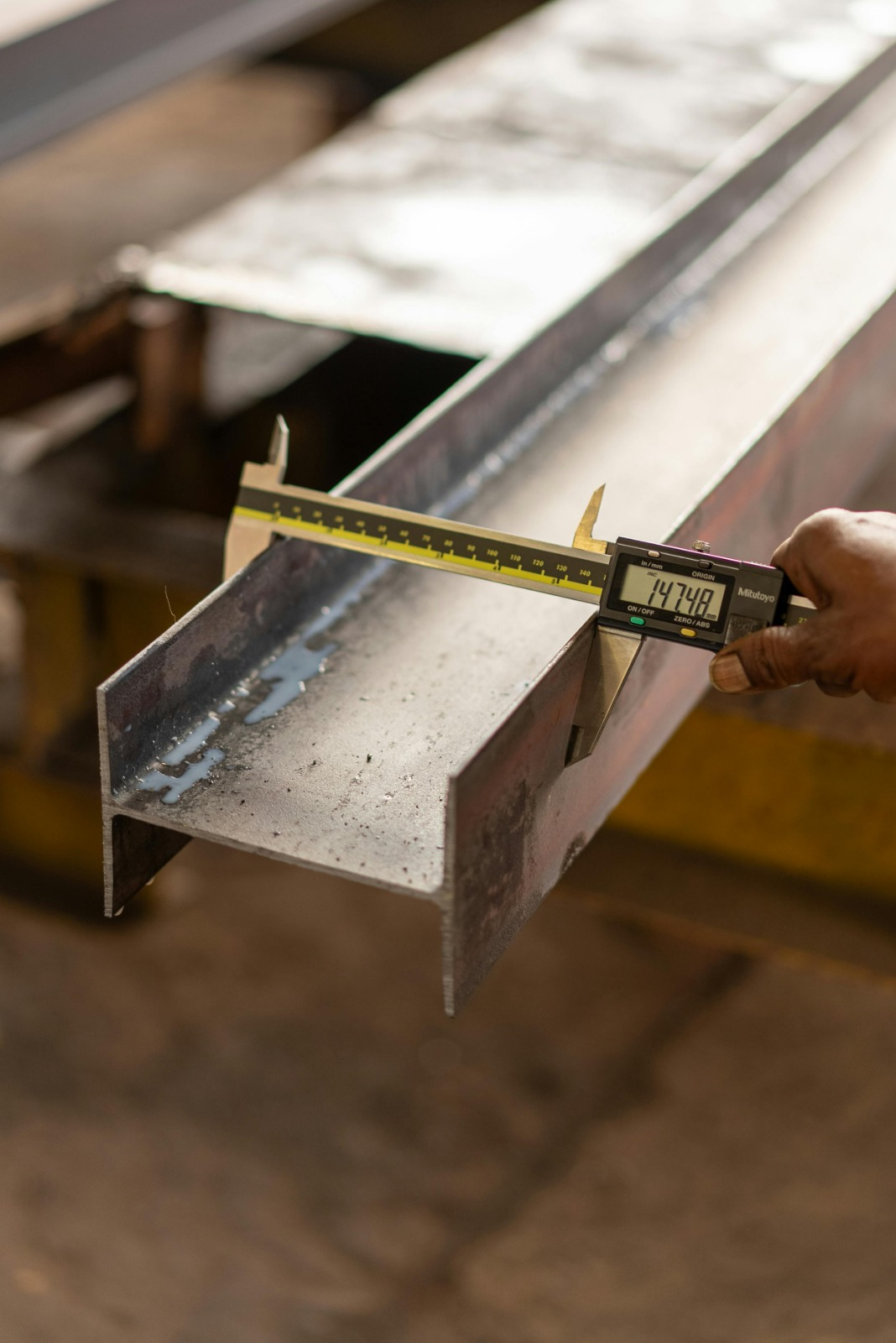
There’s a difference between “acceptable” and “exact.” A lot of products fall into the first category. Precision shows up in subtle ways, such as alignment, balance, and how parts interact over time. Even little errors might lead to major problems in industries such as healthcare and engineering. That is why perfecting the details and obtaining a greater level of precision is not optional; it is required.
Functional Design Over Aesthetics
Some products are designed to be seen. Others are designed to be used. The second category almost always lasts longer. When design is driven by function, things feel natural, such as less effort, fewer adjustments, and no unnecessary friction. It’s not always visually striking, but it works without resistance. And over time, that matters more.
Consistency Across Batches
One good unit proves very little. The real test is whether the next one performs the same way. Consistency is difficult to maintain because it depends on controlled processes at every stage, such as materials, machinery, and handling. When that control slips, variation starts to come up. And once variation shows up, reliability drops.
Stress Tolerance in Real Conditions
Most products are tested under controlled environments. Real life doesn’t offer that. Heat, pressure, overuse, accidental impact, these are normal conditions, not rare or unusual situations. Products built with this in mind don’t just survive longer; they fail less unpredictably. That difference is easy to overlook until something breaks earlier than expected.
Supply Chain Discipline
There’s been more focus lately on where materials come from, and not just for ethical reasons. It directly affects consistency. Research from the World Economic Forum and the National Institute of Standards and Technology keeps pointing to the same thing: controlled sourcing leads to fewer performance issues later. If inputs vary, outputs will too. It’s that simple.
Micro-Details That Don’t Get Credit
This is where most shortcuts happen and where quality quietly separates itself. Edges that don’t wear down quickly. Surfaces that don’t create unnecessary resistance. Internal components that sit exactly where they should. None of this is obvious at first glance, but over time, it’s the difference between smooth use and constant minor frustration.
Built-In Longevity
Some products are clearly designed with a short lifespan. Others aren’t. When something is built to last, it shows in small ways, such as replaceable parts, stable structure, and fewer points of failure. It doesn’t need constant adjustment or careful handling. It just keeps working.
Testing That Goes Further Than Required
Minimum standards are exactly that; they are obviously minimum. Better products are pushed beyond those limits before they reach the market. Repeated stress, extended usage cycles, and variation in conditions. The goal isn’t just to pass, it’s to identify where failure might happen and eliminate it early.
Material Choice in Precision Contexts
Some decisions are made purely for performance, not visibility. Material selection is one of them. In precision-dependent applications, consistency matters more than anything else. Materials like silver steel are used in situations where dimensional stability and repeatability are critical, especially when even slight variation can affect the outcome.
Final Perspective
Quality isn’t loud. It doesn’t rely on presentation or claims. It shows up later when something continues to perform the way it did on day one, without needing constant adjustment or replacement. Most people don’t see the decisions behind that. But those decisions are exactly what they end up relying on.